
The world of artificial intelligence is changing faster than anyone expected, and Japan is right in the middle of it. Every week, new updates appear under the umbrella of japan ai regulation news, shaping how companies build, train, and deploy AI systems. If you’ve been following global tech developments, you’ve probably noticed Japan becoming more active in defining rules for AI safety, transparency, and ethical use.
What makes Japan AI regulation news so important is not just the laws themselves, but the direction they signal. Japan is trying to balance innovation with control — a tricky line that affects startups, big tech companies, and even global AI giants operating in Asia. And honestly, it’s not just policy talk anymore… It’s real-world impact is hitting developers and businesses right now.
In 2026, the conversation around AI regulation in Japan has become even more intense. From generative AI restrictions to data privacy frameworks, every update influences how AI is used in industries like healthcare, finance, education, and robotics. Businesses are constantly adjusting their strategies to stay compliant while still innovating.
This article breaks down everything you need to know about japan ai regulation news — what it means, why it matters, how it works, and where it’s heading. You’ll also see comparisons, expert insights, mistakes to avoid, and practical examples so you can actually understand the bigger picture without getting lost in legal jargon.
What is Japan AI Regulation News?
At its core, japan ai regulation news refers to updates, announcements, and policy changes related to how Japan governs artificial intelligence systems. This includes everything from government guidelines on AI safety to strict rules on how companies collect and use data for training machine learning models.
Japan has always been known for its strong technological ecosystem, but AI has pushed regulators into new territory. Unlike traditional software, AI systems learn, adapt, and sometimes behave in unpredictable ways. That’s why Japan artificial intelligence regulation rules are becoming more structured and detailed every year.
One major focus of Japan AI policy news is transparency. Companies must increasingly explain how their AI systems make decisions, especially in sensitive sectors like healthcare diagnostics or financial predictions. Another key area is data protection — ensuring that personal information used in training datasets is not misused.

Interestingly, Japan is not taking a fully restrictive approach. Instead, it is leaning toward a “controlled innovation” model. This means encouraging AI development while setting guardrails to prevent misuse. So when you read Japan AI regulation news 2026 updates, you’ll often see a mix of encouragement for innovation and warnings about compliance.
In simple terms, Japan is trying to build trust in AI without slowing down progress too much. And that balance is what makes its regulatory framework so closely watched worldwide.
Why Japan AI Regulation News Matters
The importance of japan ai regulation news goes far beyond Japan itself. Global tech companies like Google, Microsoft, and OpenAI are all affected by Japan’s rules because they operate AI systems within the country.
One of the biggest reasons this matters is economic influence. Japan is a major tech market, and any changes in Japan AI compliance regulations for companies directly impact product launches, AI tools, and even pricing models. For startups, these rules can either be an opportunity or a barrier depending on how prepared they are.
Another reason is global trend-setting. Many experts believe Japan’s approach to Japan AI governance news today could influence other Asian countries. Instead of copying strict European-style regulation, Japan is building a hybrid model that combines flexibility with accountability.
There’s also a social impact angle. AI is now part of daily life — from smart assistants to automated customer service systems. If something goes wrong, the consequences are real. That’s why Japan AI safety law developments are being closely monitored by both tech experts and policymakers.
And let’s not forget competition. Countries are racing to lead in AI innovation. Japan doesn’t want to fall behind, but it also doesn’t want uncontrolled AI growth. So every update in japan ai regulation news reflects a deeper strategic move in the global tech race.
Types and Variations of AI Regulations in Japan
Japan’s AI regulations are not just one single law. Instead, they are a combination of frameworks, guidelines, and sector-specific rules. Understanding the different layers helps make sense of Japan AI regulation news today.
First, there are ethical guidelines. These focus on fairness, transparency, and accountability. They are not always legally binding, but companies are expected to follow them closely.
Second, there are data protection rules. These are stricter and relate to how personal data is collected and processed. With AI systems relying heavily on data, this part of Japan AI data privacy regulations is extremely important.
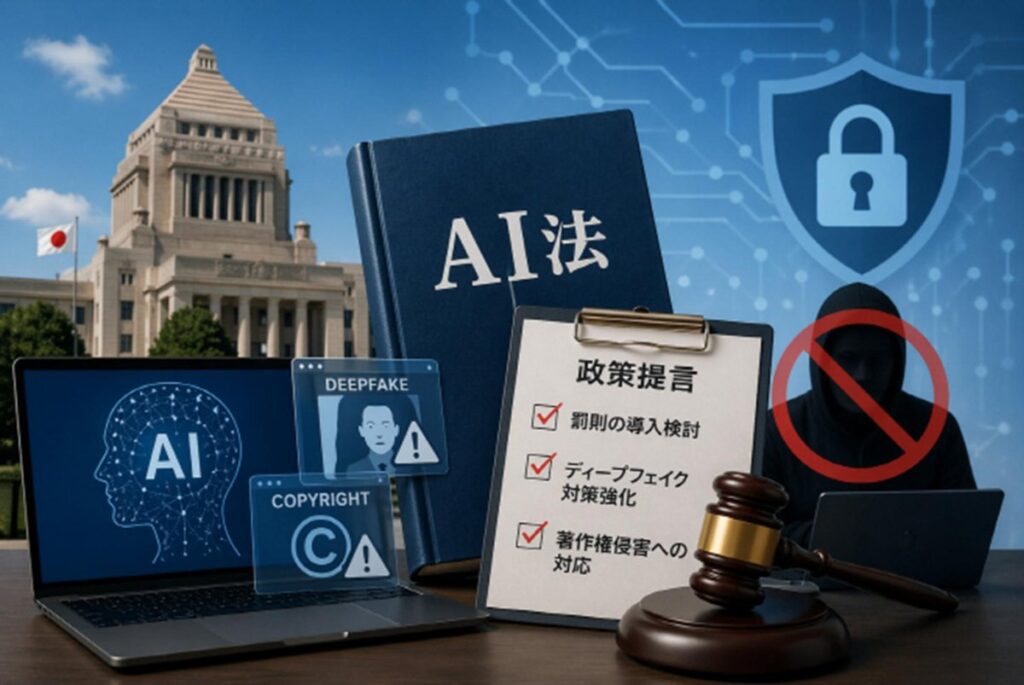
Third, industry-specific regulations exist. For example, healthcare AI tools face stricter approval processes compared to marketing AI tools. This is part of Japan AI regulation for businesses that operate in sensitive sectors.
Fourth, there are experimental frameworks like regulatory sandboxes. These allow companies to test AI systems under controlled conditions. It’s a way for Japan to encourage innovation while still monitoring risks.
Finally, there are upcoming legislative proposals. These often appear in Japan AI legislation 2026 analysis, where policymakers discuss future restrictions or improvements.
Together, these layers form a flexible but structured system that continues to evolve with technology.
How Japan AI Regulation System Works
The system behind japan ai regulation news is built on collaboration between government agencies, private companies, and research institutions. Instead of a single controlling body, Japan uses a distributed regulatory approach.
Government ministries set broad guidelines, while industry groups help refine them. Companies are often consulted before final rules are introduced, which creates a more balanced system.
For example, when new rules about generative AI are introduced, they usually go through public consultation first. This is part of Japan generative AI regulation news trends, where transparency is prioritized.
Monitoring and enforcement are also important. While Japan doesn’t always impose harsh penalties, non-compliance can lead to reputational damage and operational restrictions. That’s why businesses pay close attention to Japan AI regulation compliance guide updates.
The system also includes ongoing review cycles. This means regulations are not static — they evolve based on technological progress. So what you read in japan ai regulation news today might change significantly in a year or two.
Costs and Business Impact of AI Regulation
Regulations always come with costs, and AI is no exception. Companies operating in Japan must invest in compliance systems, legal teams, and data governance infrastructure.
For startups, this can be challenging. However, it also creates trust in the market. Customers feel safer using AI-powered services that follow strict guidelines.

Large corporations, on the other hand, often see regulation as manageable because they already have compliance systems in place. Still, adapting to Japan AI regulation impact on tech companies requires continuous updates.
One hidden cost is innovation speed. Sometimes, stricter rules can slow down product launches. But Japan tries to minimize this through flexible frameworks and sandbox environments.
So while Japan AI regulation news often highlights restrictions, it also shows a growing ecosystem that balances safety and innovation.
Best Examples and Global Context
When comparing Japan with other regions, differences become clear. The EU focuses heavily on strict compliance, while the US leans toward industry-driven regulation. Japan sits somewhere in between.
This hybrid approach is why Japan AI regulation vs EU AI Act and Japan AI regulation vs US AI laws are frequently discussed topics.
Japan also collaborates internationally on AI safety standards. These partnerships help shape global norms and ensure smoother cross-border AI development.
Expert Tips and Strategies
Experts following japan ai regulation news suggest a few key strategies for businesses:
- Stay updated with policy changes regularly
- Invest in AI transparency tools
- Build compliance teams early
- Use sandbox programs for testing
- Monitor international regulation trends
These strategies help companies stay ahead of regulatory changes instead of reacting late.
Common Mistakes to Avoid
Many companies struggle with AI compliance in Japan due to common mistakes:
- Ignoring early-stage guidelines
- Misunderstanding data privacy rules
- Delaying compliance investment
- Assuming global rules apply equally
- Overlooking sector-specific restrictions
Avoiding these mistakes can save both time and legal risk.

FAQs
1. What is Japan AI regulation news about?
It covers updates and policies related to AI laws and governance in Japan.
2. Why is Japan regulating AI?
To ensure safe, ethical, and transparent use of artificial intelligence.
3. How does Japan’s AI regulation differ from others?
It balances innovation with moderate control instead of strict limitations.
4. Does AI regulation affect businesses?
Yes, especially in compliance, data usage, and product development.
5. Is Japan strict with AI laws?
It is structured but flexible compared to other global regions.
Conclusion
The world is watching how Japan handles artificial intelligence, and japan ai regulation news continues to shape that global conversation. What makes Japan unique is its balanced approach — not too strict, not too loose, but carefully adaptive.
For businesses, developers, and investors, understanding these updates is no longer optional. It’s essential. Whether you’re building AI tools or just following tech trends, staying informed about Japan AI regulation news 2026 updates gives you a serious advantage.
The future of AI in Japan is still being written… and honestly, it’s going to be one of the most interesting stories in global technology.





Leave a Reply