
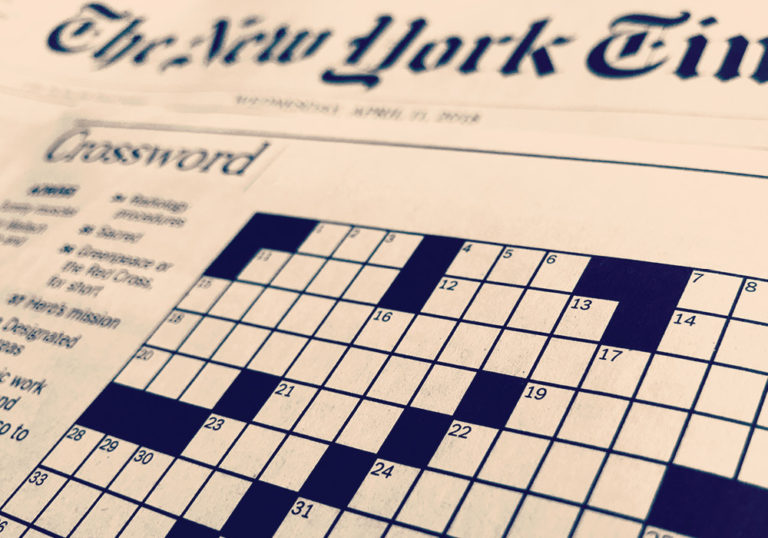
Crossword solvers often get stuck on short, tricky clues that seem simple at first glance. One clue that regularly creates confusion is “recently dated” in the The New York Times Crossword. The clue looks straightforward, yet the answer can shift depending on puzzle theme, tense, wordplay style, and puzzle difficulty. That is exactly why many solvers search for “recently dated NYT crossword” after hitting a dead end midway through the puzzle.
The challenge comes from how crossword editors use language. In many cases, “dated” does not refer to romance at all. It can point toward something old-fashioned, recently obsolete, or tied to a recent calendar reference. In the The New York Times crossword ecosystem, clues are designed to misdirect while still remaining fair. A single clue may support multiple interpretations, and experienced constructors often rely on ambiguity to increase solving satisfaction.
People searching this query usually want one of three things: the latest answer, an explanation of the clue, or strategies to solve similar clues in future puzzles. This guide covers all three. You will learn common answer patterns, understand why the clue appears in different forms, and improve your crossword-solving speed using real puzzle logic instead of random guessing.
What Does “Recently Dated NYT Crossword” Mean?
The phrase “Recently Dated NYT Crossword” can carry several meanings depending on the puzzle context. In standard English, many readers first assume it refers to someone who recently went on a date. Crossword clues, however, rarely stay that direct. Puzzle constructors intentionally exploit double meanings to create challenge and surprise.
In many The New York Times crossword puzzles, “dated” can mean:
- Old-fashioned
- Marked with a date
- Romantically involved
- Out of style
- Recently assigned a calendar date
Because of this flexibility, answers can vary significantly across puzzle editions. A clue like “Recently Dated NYT Crossword” may lead to a short answer such as “new,” “met,” “old,” or “saw,” depending on crossing letters. The final answer is always determined by surrounding entries and the overall puzzle theme.
Another reason this clue attracts searches is that solvers often remember the clue wording but not the puzzle date. Since the The New York Times Mini Crossword, Daily Crossword, and Sunday Crossword all use different editorial approaches, the same clue can appear with completely different answers over time. That creates ongoing search demand from players looking to confirm solutions quickly without spoiling the entire puzzle.
Common Answers for Recently Dated NYT Crossword
The most common answers connected to “Recently Dated NYT Crossword” usually depend on letter count. Crossword enthusiasts learn to recognize recurring patterns because editors and constructors often recycle clue structures with small wording adjustments.
| Clue Variation | Possible Answer | Meaning |
|---|---|---|
| Recently Dated NYT Crossword | NEW | Recently created or modern |
| Recently Dated NYT Crossword | MET | Recently saw romantically |
| Recently Dated NYT Crossword | SAW | Went out with |
| Recently Dated NYT Crossword | OLD | Became outdated recently |
| Recently Dated NYT Crossword | WROTE | Put a recent date on something |
Short answers are especially common in weekday puzzles because they help maintain grid flexibility. Monday and Tuesday puzzles generally favor simpler interpretations, while Thursday and Saturday puzzles lean heavily into misdirection and wordplay.
One important solving technique is identifying tense. If the clue uses “dated” as a verb, the answer may describe a romantic interaction. If it uses “dated” as an adjective, the answer may refer to something obsolete or old-fashioned. Skilled solvers train themselves to separate these possibilities before filling in guesses.
Another factor is abbreviation style. The The New York Times crossword occasionally uses shortened entries, slang, or conversational phrasing. That means a clue that appears formal may still produce an informal answer. Understanding this editorial style improves solving consistency over time.
Why Crossword Clues Like This Confuse Solvers
Many crossword clues fail because people read them too literally. Human brains naturally search for the most obvious interpretation first. Crossword constructors understand this behavior and design clues around it. “Recently Dated NYT Crossword” is effective because it immediately pushes solvers toward romantic thinking, even when the intended answer has nothing to do with relationships.
This technique is called misdirection. It sits at the center of modern crossword construction. Editors at The New York Times carefully balance fairness with difficulty. A clue should feel challenging before solving but obvious afterward. That “aha” moment is what keeps millions of solvers returning daily.
Several elements contribute to confusion:
- Multiple valid meanings
- Unclear grammatical role
- Lack of context
- Short answer length
- Theme-based reinterpretation
For example, a themed puzzle may reinterpret “dated” through technology, history, or pop culture references. In one puzzle, the answer could reference obsolete software. In another, it might relate to a former romantic partner. Without crossing letters, both interpretations seem plausible.
Experienced solvers rely heavily on intersecting clues. Instead of forcing a complete answer immediately, they fill in surrounding entries first. This reduces guesswork and increases accuracy. Crossword solving becomes significantly easier when approached as a connected system rather than isolated clues.
How NYT Crossword Editors Use Wordplay
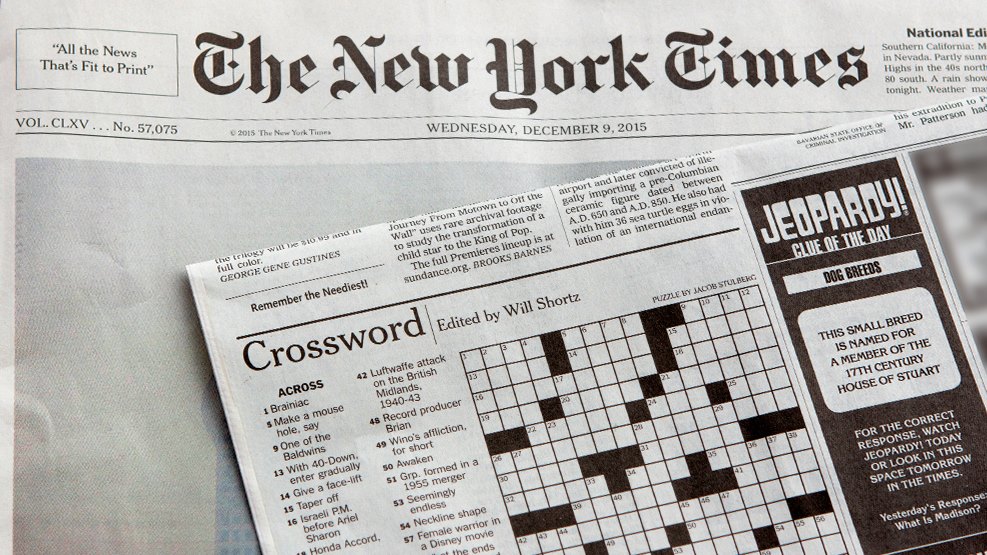
The The New York Times crossword is famous for layered wordplay. Editors such as Will Shortz helped shape a style where clues reward flexible thinking rather than memorization alone. This editorial philosophy explains why clues like “Recently Dated NYT Crossword” appear deceptively simple.
Wordplay techniques commonly used include:
Double Meanings
A single word can operate as both noun and verb. “Dated” may describe romance or old age simultaneously.
Temporal Ambiguity
“Recently” changes the timing but not necessarily the action. Constructors use vague timing to widen interpretation possibilities.
Conversational Phrasing
Many clues mimic everyday speech. This natural wording makes misdirection stronger because the clue feels familiar.
Theme Reversal
Some themed puzzles intentionally invert normal meanings. A clue may appear romantic but actually relate to technology or history.
Professional crossword solvers learn to pause before locking onto the first interpretation. That small mental adjustment dramatically improves solving accuracy. Instead of asking “What does this clue mean?” advanced solvers ask “What else could this clue mean?”
Best Strategies to Solve Similar NYT Crossword Clues
People who consistently solve difficult crossword puzzles rarely depend on vocabulary alone. They develop repeatable solving systems. Clues like “Recently Dated NYT Crossword” become easier when approached strategically rather than emotionally.
Here are some proven methods used by experienced solvers:
Look at the Crossing Letters First
Never force a full answer too early. Even two confirmed letters can eliminate multiple incorrect interpretations.
Check the Puzzle Difficulty
Monday puzzles are direct. Saturday puzzles are intentionally tricky. Understanding difficulty level changes your expectations immediately.
Separate Literal and Figurative Meanings
Ask whether the clue is being used romantically, historically, technologically, or conversationally.
Identify Verb Tense
Grammar matters heavily in crossword solving. Past tense clues usually require past tense answers.

Consider Short Fill Patterns
Three-letter and four-letter answers repeat frequently across crossword databases. Pattern recognition improves solving speed.
The most successful crossword players also build familiarity with common crossword vocabulary. Certain words appear repeatedly because they contain useful letter combinations for grid construction. Over time, solvers develop instinctive recognition for these recurring entries.
NYT Mini Crossword vs Standard Crossword Clue Styles
Many users searching “recently dated NYT crossword” actually encountered the clue inside the The New York Times Mini Crossword rather than the full daily puzzle. That distinction matters because clue styles differ considerably between formats.
| Puzzle Type | Difficulty | Clue Style | Average Solve Time |
|---|---|---|---|
| Mini Crossword | Easy to Medium | Direct and fast | 1–5 minutes |
| Daily Crossword | Medium to Hard | Layered and thematic | 20–60 minutes |
| Sunday Crossword | Medium | Larger themed grids | 45–90 minutes |
Mini Crossword clues usually favor speed and accessibility. Standard puzzles allow more room for layered wordplay and advanced themes. A clue like “Recently Dated NYT Crossword” may therefore have a much simpler answer in the Mini compared to a Saturday crossword.
Another difference is cultural references. The full crossword often includes literature, politics, science, entertainment, and historical references, while the Mini tends to focus on broader familiarity. Understanding these editorial differences helps users narrow possible answers more efficiently.
Why Crossword Search Trends Keep Growing
Crossword-related search traffic has increased steadily during the last decade. Daily puzzle culture expanded significantly through mobile apps, social media sharing, and casual gaming communities. The New York Times played a major role in this growth by making crossword solving more accessible through digital subscriptions and mobile-friendly formats.
Searches like “recently dated NYT crossword” spike because players want quick verification without reading full puzzle spoilers. Most users are not looking for cheating shortcuts. They simply want confirmation after getting stuck on one difficult clue.
Crossword solving also appeals to multiple demographics simultaneously:
- Students improving vocabulary
- Professionals seeking mental stimulation
- Retired readers maintaining cognitive activity
- Casual gamers enjoying short daily challenges
This broad appeal creates consistent search demand around clue explanations, answer databases, and solving guides. As puzzle culture continues expanding online, clue-specific searches will likely remain highly competitive in organic search results.
Advanced Crossword Insight Most Blogs Miss
One overlooked aspect of crossword solving is constructor psychology. Clues are not random phrases generated mechanically. They are carefully crafted decisions shaped by grid limitations, theme consistency, and editorial balance.
When constructors write clues like “recently dated,” they usually want solvers to hesitate briefly before discovering the intended meaning. That pause creates satisfaction. If a clue is too easy, the puzzle feels flat. If it becomes impossible, solvers quit. Great crossword editing lives in the space between those extremes.
Another advanced insight involves answer frequency databases. Expert solvers often study commonly repeated entries because crossword construction relies heavily on reusable fill patterns. Recognizing these patterns turns difficult clues into manageable deductions.
For example, if the answer length is three letters and one crossing letter is “E,” experienced solvers quickly test common fills like:
- MET
- NEW
- OLD
- ERA
That mental filtering process is what separates advanced crossword players from casual guessers.
FAQ Section
What is the answer to recently dated NYT crossword?
The answer changes depending on the specific puzzle edition, date, and grid pattern. Common answers include “MET,” “NEW,” or “SAW.”
Why are NYT crossword clues so tricky?
The New York Times crosswords use layered meanings, misdirection, and conversational phrasing to challenge solvers while remaining fair.
Does “dated” always refer to romance in crossword puzzles?
No. “Dated” may refer to something old-fashioned, obsolete, assigned a date, or connected romantically.
How can I solve crossword clues faster?
Use crossing letters, identify clue tense, study common crossword vocabulary, and avoid locking into the first interpretation too quickly.
Are Mini Crossword clues easier than regular NYT crossword clues?
Yes. The Mini Crossword generally uses more direct clues and smaller grids designed for faster solving sessions.






Leave a Reply