
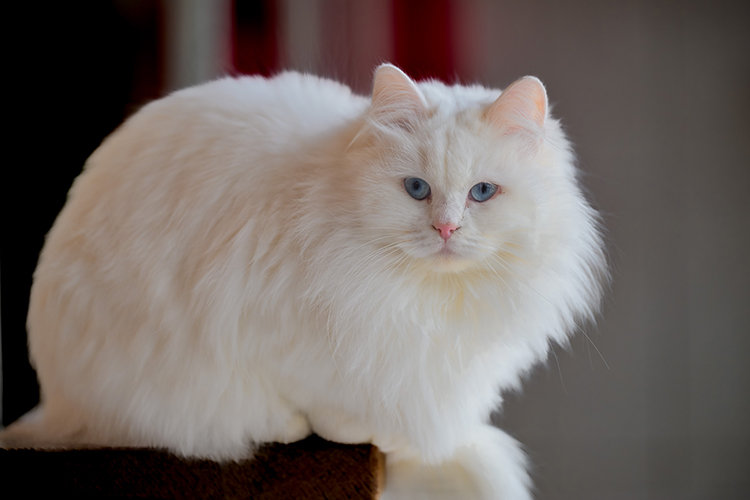
The phrase “angora cats splendor” perfectly captures the elegance and charm that make these cats unforgettable. Known for their silky coats, athletic bodies, expressive eyes, and graceful movement, Angora cats have fascinated cat lovers for centuries. Their refined appearance often steals attention instantly, yet their intelligence and affectionate nature are just as impressive.
Originally linked to Ankara, formerly called Angora, these cats became symbols of luxury and sophistication across Europe and Asia. Their long, feather-like fur and naturally elegant posture created a strong reputation among aristocrats and pet enthusiasts alike. Today, breeds such as the Turkish Angora continue to rank among the most admired long-haired cats in the world.
Many people search for information about angora cats splendor because they want to understand more than appearance alone. They want to know about temperament, grooming, lifespan, behavior around families, and the reality of caring for such a beautiful animal. This guide covers everything from physical characteristics and personality traits to grooming routines, nutrition, health concerns, and ownership advice. It also explores why Angora cats maintain such strong popularity in modern households despite competition from many newer cat breeds.
The History Behind Angora Cats Splendor
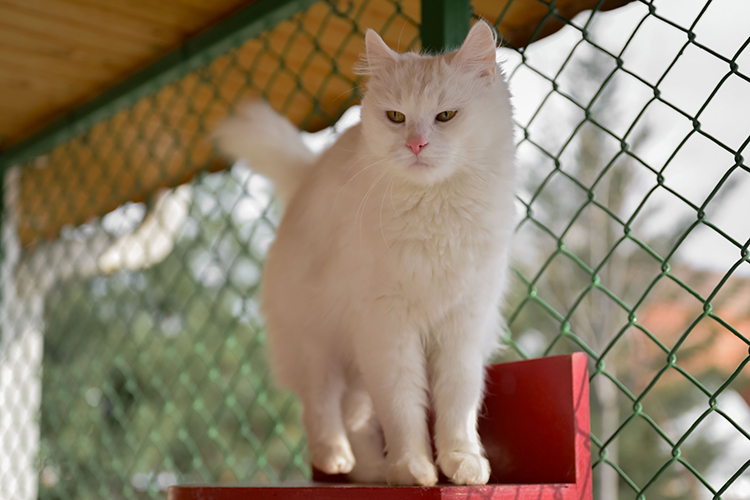
The history of Angora cats traces back hundreds of years to the mountainous regions surrounding Ankara. These cats developed naturally rather than through aggressive breeding programs, which helped preserve their intelligence, agility, and strong genetics. European travelers visiting the Ottoman Empire during the 16th and 17th centuries became fascinated by their luxurious coats and elegant movement. Soon afterward, Angora cats splendor appeared in royal courts and wealthy homes throughout Europe.
During the 19th century, long-haired cats gained major popularity among aristocrats. angora cats splendor were frequently gifted between diplomats and nobility because they represented status and refinement. Their presence influenced the development of several modern long-haired breeds, including the Persian cat. Over time, however, crossbreeding threatened the purity of the Turkish Angora line.
To protect the breed, conservation efforts were introduced in Turkey, particularly through breeding programs associated with the Ankara Zoo. These efforts focused heavily on preserving white Angoras with blue or odd-colored eyes, though modern breeding standards now recognize many coat colors and patterns. Today, cat organizations like The International Cat Association and Cat Fanciers’ Association officially recognize Turkish Angoras as a distinct breed admired for elegance and intelligence.
Physical Features That Define Angora Cats Splendor
One of the biggest reasons people admire Angora cats splendor is their breathtaking physical appearance. Their bodies are slender yet muscular, giving them an athletic look rather than the heavy structure commonly seen in some long-haired breeds. They move with remarkable balance and agility, almost appearing weightless while jumping or climbing.
Their coats are another defining feature. Unlike the dense undercoat of some fluffy breeds, Angora cats splendor usually have a single-layer silky coat that feels soft and light. This texture reduces matting compared to thicker double-coated breeds. Their tails are especially striking, often described as plume-like because of their long flowing fur.
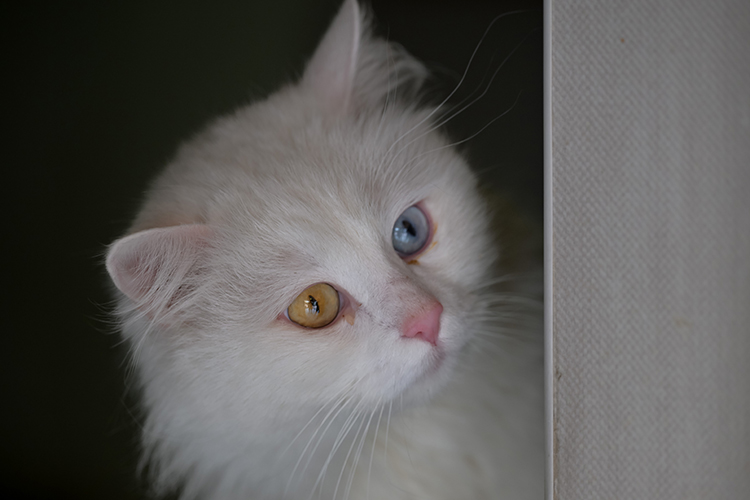
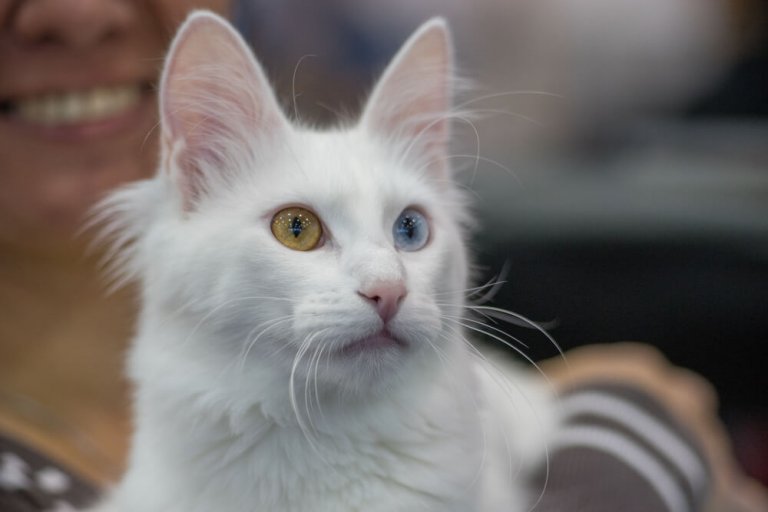
Eye color adds another layer of visual appeal. Many Turkish Angoras have blue, green, amber, or odd-colored eyes, where each eye displays a different shade. This unique feature contributes heavily to the “splendor” associated with the breed.
Quick Comparison of Angora Cat Features
| Feature | Turkish Angora | Persian Cat |
|---|---|---|
| Body Type | Slim and athletic | Stocky and compact |
| Coat Texture | Silky single coat | Thick double coat |
| Grooming Needs | Moderate | High |
| Energy Level | Active and playful | Calm and relaxed |
| Face Shape | Wedge-shaped | Flat-faced |
| Intelligence | Very high | Moderate |
These differences help explain why many owners prefer Angora cats splendor for active households where personality matters as much as appearance.
Personality Traits That Make Angora cats splendor Unique
Beauty alone does not explain the lasting popularity of Angora cats splendor. Their personalities are often what create the strongest emotional connection with owners. Unlike some independent breeds that avoid interaction, Turkish Angoras tend to form deep bonds with family members. They are affectionate without becoming overly clingy.
These cats are highly intelligent and curious. Many owners describe them as problem-solvers capable of opening cabinets, learning routines, and even responding to simple commands. Interactive toys and climbing structures are important because Angoras enjoy mental stimulation and physical activity.
Another interesting trait is their social confidence. Angora cats splendor often enjoy being involved in household activities. Instead of hiding when guests arrive, many prefer observing or interacting with visitors. Their playful behavior can continue well into adulthood, making them entertaining companions for years.
Common personality traits include:
- High intelligence
- Strong curiosity
- Loyalty to owners
- Playful behavior
- Vocal communication
- Excellent climbing ability
- Fast learning skills
Because of these traits, Angora cats splendor fit well into homes where owners can provide attention, interaction, and environmental enrichment.
Grooming and Coat Care for Angora cats splendor
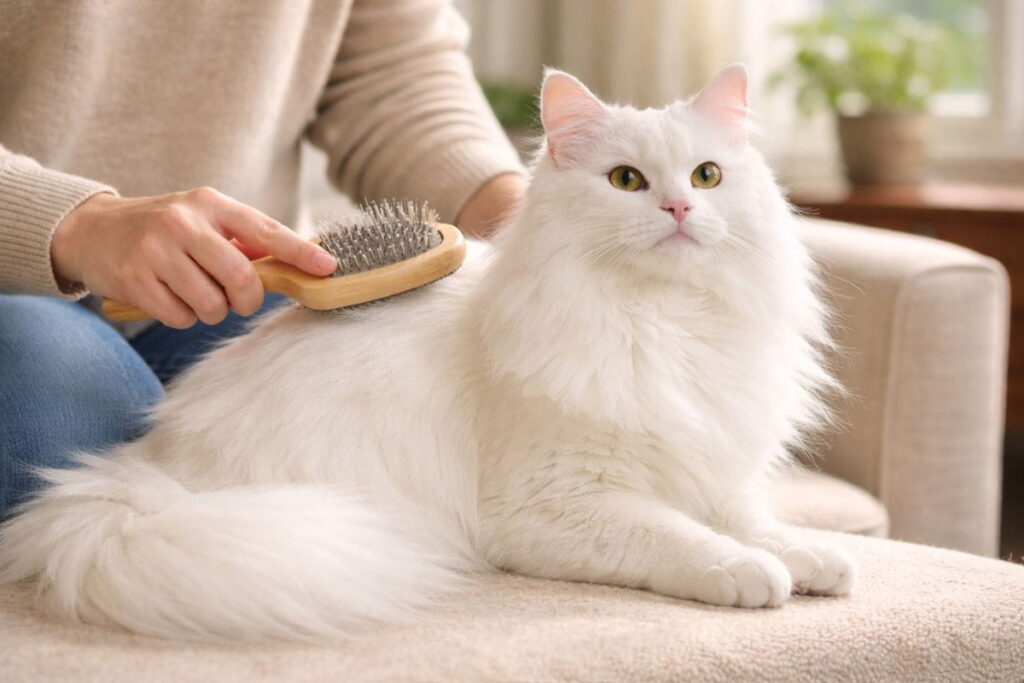
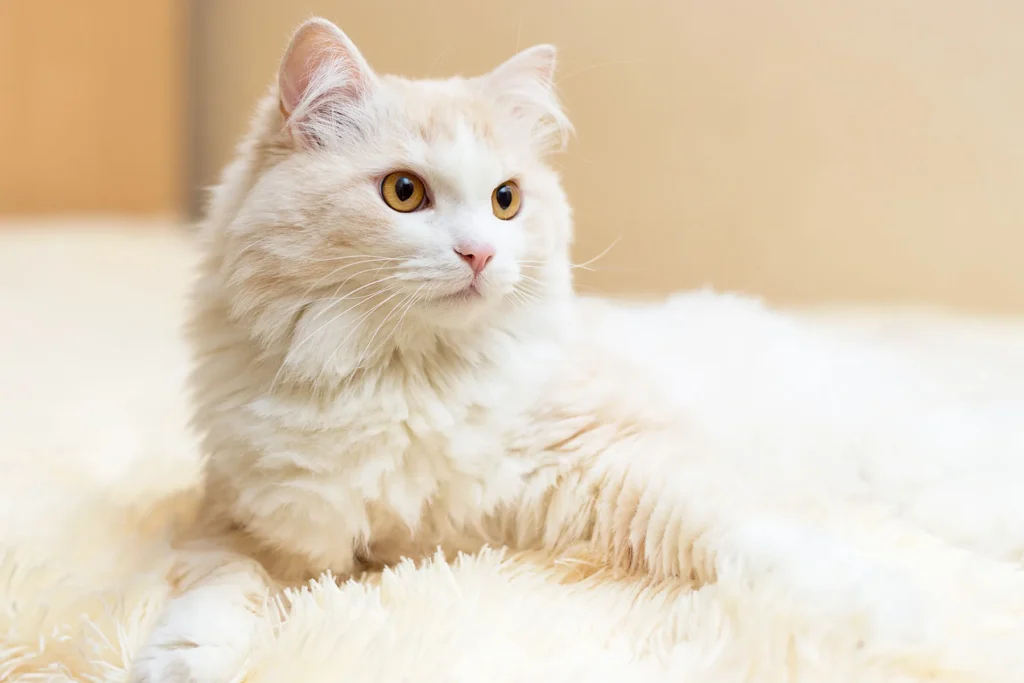
Despite their luxurious appearance, Angora cats splendor are surprisingly manageable when it comes to grooming. Their single-layer coat resists tangling better than many other long-haired breeds. Regular brushing still matters, though, because it helps remove loose hair, reduce shedding, and maintain coat shine.
Most experts recommend brushing two to three times weekly. During seasonal shedding periods, daily brushing may become necessary. Stainless steel combs and soft slicker brushes work especially well for maintaining coat health without irritating the skin.
Bathing is not usually required often, but occasional baths can help preserve coat brightness, particularly in white Angoras. Owners should also pay close attention to ear cleaning, dental hygiene, and nail trimming.
Essential Grooming Routine
| Grooming Task | Frequency |
|---|---|
| Brushing | 2–3 times weekly |
| Nail Trimming | Every 2–3 weeks |
| Ear Cleaning | Monthly |
| Dental Care | Weekly minimum |
| Bathing | Every few months |
Proper nutrition also contributes heavily to coat quality. Diets rich in omega-3 fatty acids, quality protein, and hydration help maintain fur softness and overall skin health.
Health Issues and Lifespan
Turkish Angoras are generally healthy cats with strong genetics, especially compared to heavily modified breeds. However, some health concerns still exist. One of the better-known issues involves hereditary deafness, particularly among white Angoras with blue eyes. Not every white Angora develops hearing problems, but responsible breeders usually perform hearing tests before placing kittens.
Another condition occasionally associated with the breed is hypertrophic cardiomyopathy, a heart disease found in several cat breeds. Regular veterinary checkups help identify problems early and improve long-term management.
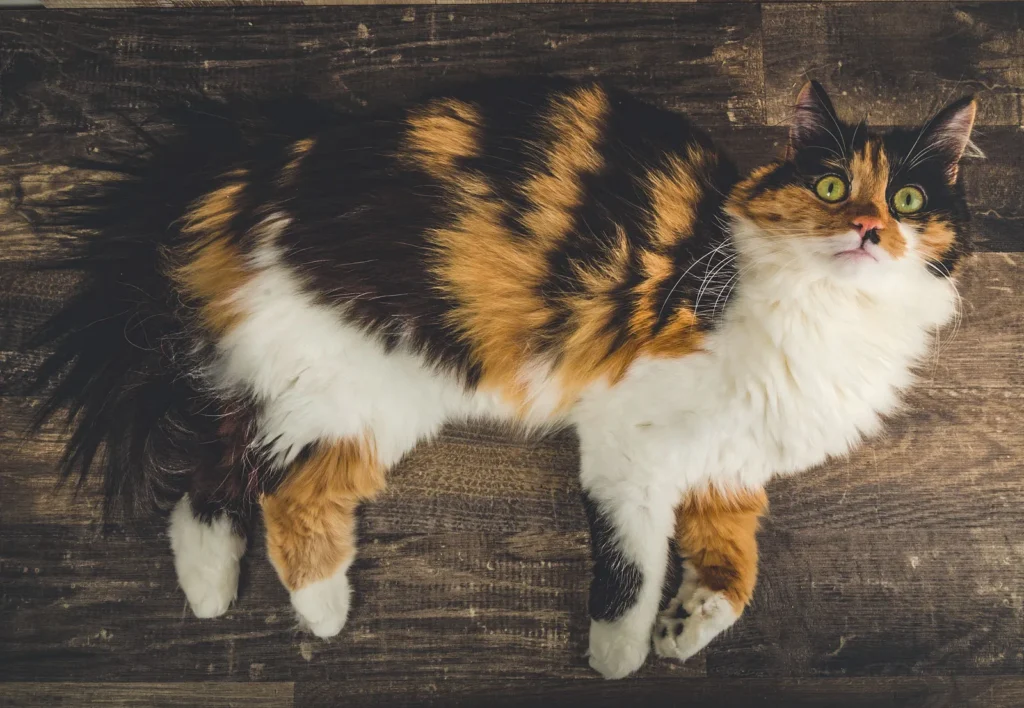
Most healthy Angora cats splendor live between 12 and 18 years with proper care. Indoor living, balanced nutrition, vaccination schedules, hydration, and exercise all contribute to lifespan.
Signs of a Healthy Angora Cat
- Bright and clear eyes
- Soft, smooth coat
- Stable appetite
- Active behavior
- Healthy body weight
- Clean ears and teeth
- Consistent energy levels
Routine veterinary care remains one of the biggest factors in preserving both appearance and long-term wellness.
Why Angora Cats Remain Popular Worldwide
The enduring appeal of Angora cats comes from a rare combination of beauty, intelligence, and adaptability. Many visually stunning cat breeds require extremely intensive grooming or have limited energy levels. Angoras balance elegance with athleticism and companionship, making them more practical for modern households.
Social media also plays a role in their growing popularity. Videos featuring white Turkish Angoras with odd-colored eyes often attract millions of views because their appearance appears almost unreal. Yet experienced owners usually emphasize personality more than aesthetics. These cats actively participate in daily life rather than simply acting as decorative pets.
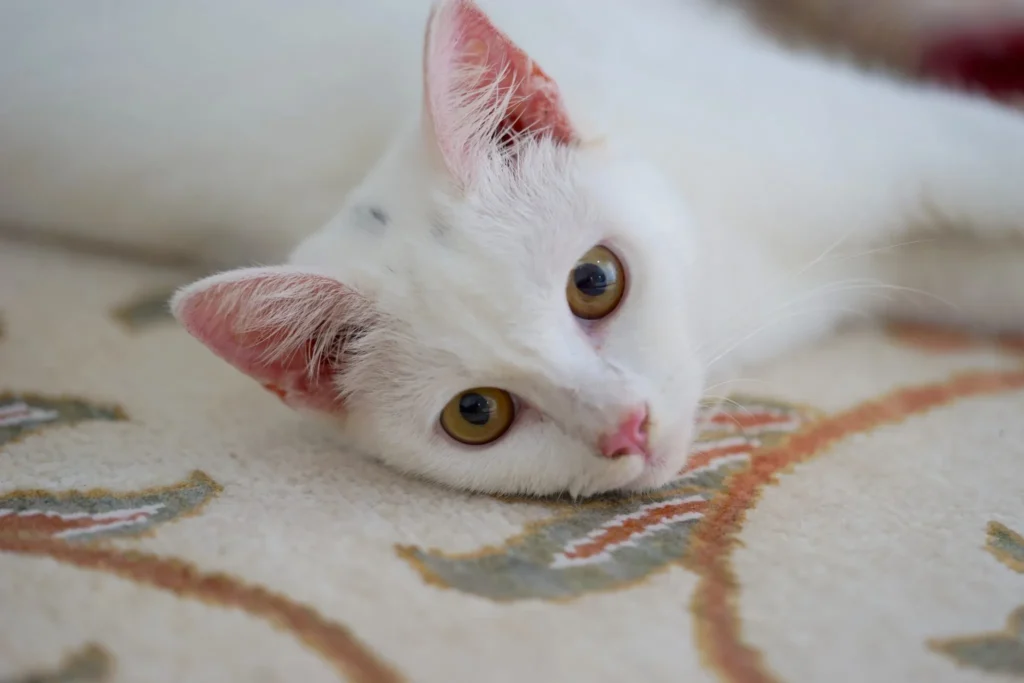
Their adaptability helps them fit various home environments. While they enjoy spacious homes with climbing opportunities, they can also adjust to apartment living if given enough stimulation and playtime.
Reasons Owners Love Angora cats splendor
- Elegant appearance
- Strong intelligence
- Lower grooming needs than expected
- Playful personality
- Long lifespan
- Strong human connection
- Good adaptability
These factors continue to strengthen their reputation among cat enthusiasts worldwide.
Choosing the Right Angora Cat Breeder
Finding a reputable breeder is extremely important when adopting an Angora kitten. Ethical breeders focus on health testing, genetic quality, socialization, and breed standards instead of mass production. Buyers should always ask about vaccination records, hearing tests, and parental health history.
Avoid breeders who refuse to show living conditions or who advertise unusually cheap kittens without documentation. Responsible breeders typically maintain waiting lists because quality breeding takes time and careful planning.
Questions to ask breeders include:
- Are the kittens health tested?
- Are parents screened for hereditary conditions?
- What diet are kittens currently eating?
- Have kittens been socialized?
- Is registration documentation available?
- What vaccinations have been completed?
Adoption through breed-specific rescues can also be a great option for people interested in older Angora cats needing homes.
Best Diet and Nutrition for Angora Cats
Nutrition directly affects coat quality, muscle tone, immune health, and energy levels. Because Angora cats are naturally active, they benefit from high-protein diets that support lean muscle maintenance. Animal-based protein sources should form the foundation of their meals.
Hydration also matters because cats naturally have a low thirst drive. Wet food can help improve moisture intake and reduce urinary issues. Foods containing artificial fillers, excessive carbohydrates, or low-quality meat byproducts should generally be avoided.
Recommended Nutritional Priorities
| Nutrient | Benefit |
|---|---|
| Protein | Muscle maintenance |
| Omega-3 Fatty Acids | Coat and skin health |
| Taurine | Heart and eye health |
| Moisture Content | Hydration support |
| Vitamins & Minerals | Immune support |
Maintaining healthy body weight is important because obesity can reduce mobility and increase health risks over time.
Frequently Asked Questions
Are Turkish Angora cats friendly?
Yes, Turkish Angora cats are known for being affectionate, social, and interactive. They often build strong bonds with their owners and enjoy participating in household activities.
Do Angora cats shed a lot?
They shed moderately, especially during seasonal coat changes. Regular brushing helps control loose fur and keeps the coat healthy.
Are Angora cats expensive?
Purebred Turkish Angoras from reputable breeders can be expensive due to health testing, breeding quality, and rarity. Prices vary depending on bloodline and location.
Are Turkish Angoras good with children?
Most Angora cats do well with respectful children because they are playful and social. Early socialization improves compatibility even more.
What is special about Angora cats?
Their combination of elegance, intelligence, silky coats, athletic movement, and expressive eyes makes them stand out among long-haired cat breeds.
Do Angora cats require a lot of grooming?
Compared to other long-haired breeds, grooming needs are moderate. Their silky single-layer coat tangles less frequently than dense double coats.






Leave a Reply